 SpockOps
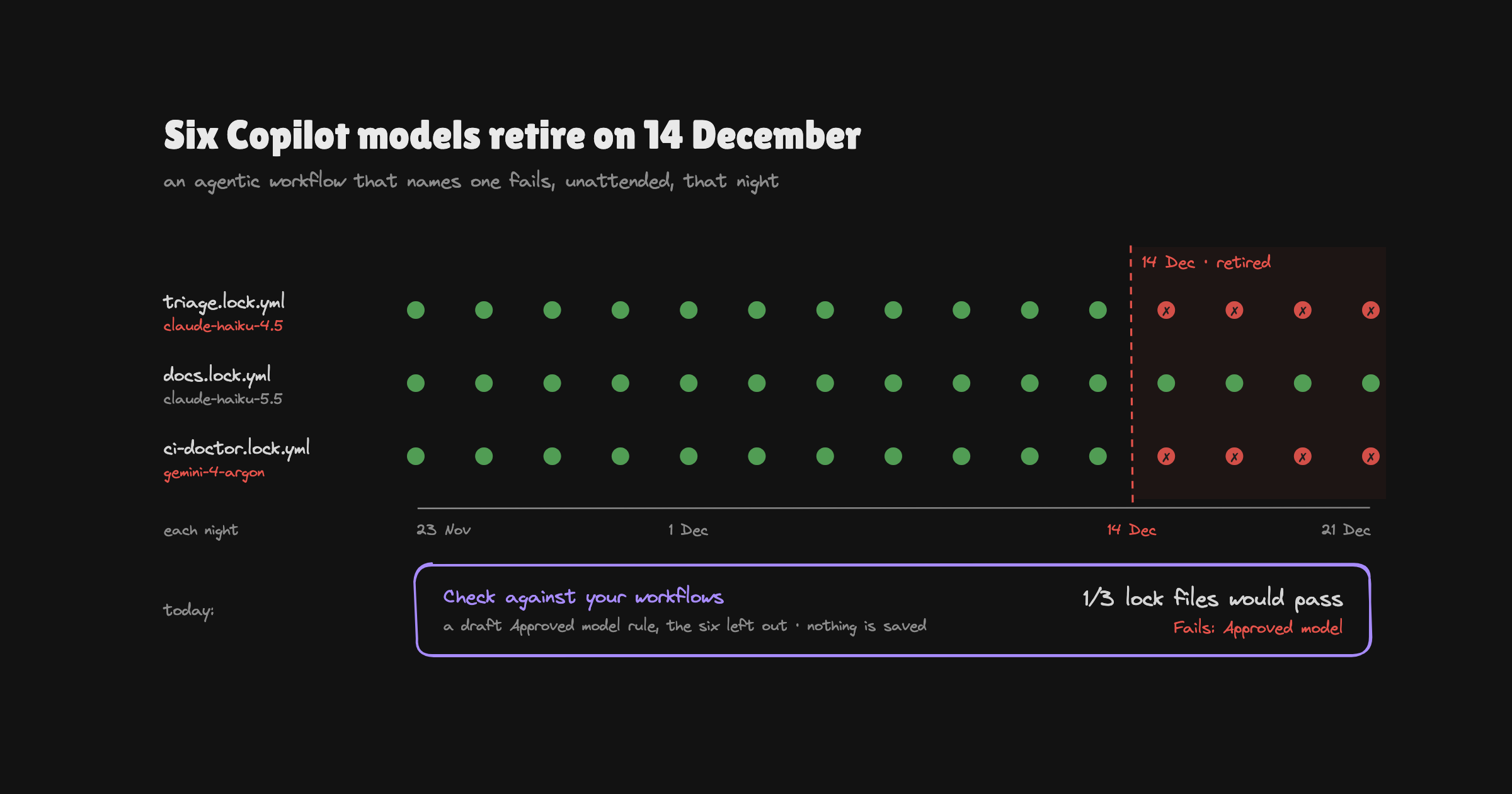

On 14 December 2026 GitHub removes six models from Copilot. In an editor, that's a new name in a menu. In an agentic workflow, the model is compiled into a lock file and runs unattended, often at night, so a workflow that names a retired model tells you by failing. Here's what's changing and how to get ahead of it.
What's retiring, and what replaces it? #
GitHub announced it on 13 November. The change covers every Copilot experience, and GitHub suggests an alternative for five of the six:
| Retiring on 14 December | GitHub's suggested alternative |
|---|---|
| Claude Fable 5 | Claude Fable 5.2 |
| Claude Haiku 4.5 | Claude Haiku 5.5 |
| Gemini 3.8 Flash | Gemini 4 Hydrogen |
| Gemini 4 Argon | Gemini 4 Carbon |
| Grok 4.6 | Grok 4.7 |
| Kimi K3 | To be announced |
On Copilot Business and Enterprise, the alternatives are switched on automatically unless an administrator has turned off default model enablement. Individual subscribers on annual plans keep Claude Haiku 4.5.
Why do agentic workflows break? #
Because the model is fixed in the workflow. It's set in the workflow's Markdown and compiled into its .lock.yml, in every repository that uses it, and nobody is watching when it runs. GitHub's notice asks teams to update their workflows but doesn't name agentic workflows, so treat any workflow that reaches a retiring model through Copilot as affected. One that runs another engine on its own provider key follows that provider's schedule instead.
How do you find them? #
Search your code on GitHub, once per retiring model. Signed in, this covers private repositories too. Replace your-org and the model name:
Search reads default branches only and misses names written differently. The compiled locks are the better source, because they say exactly what will run, and in SpockOps you can check them all at once with a draft agentic policy:
- Create an agentic policy and turn on Approved model.
- List the models you'll allow after 14 December, leaving the six out.
- Click Check against your workflows.
SpockOps judges the draft against every current lock file on the organization, exactly as a run would, and saves nothing. Each lock that names a retiring model fails, and so does each that names no model. That's your list.
How do you switch without breaking anything? #
Change the policy before the workflows, or the fix fails its own check:
- Add the replacements to your Approved model rule.
- Check your Copilot administrators have the replacements on, especially if default enablement is off.
- Change each workflow's model, compile it again and merge it.
- Remove the six from the allowed list, and run Check against your workflows once more.
Name each version you allow. Patterns use * and ?, and a pattern written for one model can match its successor, or one you haven't approved.
How does SpockOps keep the next one easy? #
Models will keep retiring, now that each workflow picks its own. Turn on Require a pinned model, so a workflow that names no model, or leaves it to the model router, fails instead of warning: every lock then says what it will run. Keep one Approved model list for the enterprise, so the next retirement is one change to a policy and a list of workflows to update. Every change to that list is written to the governance chain, so the record shows when each model was approved and when it was retired. Models are one of six decisions worth making before your teams turn agentic workflows on.
Where to begin #
- Before 14 December, run Check against your workflows with the six models left out.
- Add the replacements to your approved models, then update and compile each workflow.
- Turn on Require a pinned model, in Evaluate first.
Further reading: GitHub Agentic Workflows are generally available, How GitHub Agentic Workflows work and The GitHub policy engine.
Questions
Which Copilot models retire on 14 December 2026?
Claude Fable 5, Claude Haiku 4.5, Gemini 3.8 Flash, Gemini 4 Argon, Grok 4.6 and Kimi K3. GitHub suggests an alternative for all but Kimi K3.
Are agentic workflows affected?
GitHub's notice covers every Copilot experience and asks teams to update their workflows. It doesn't name agentic workflows, so treat any that reach a retiring model through Copilot as affected.
Related posts
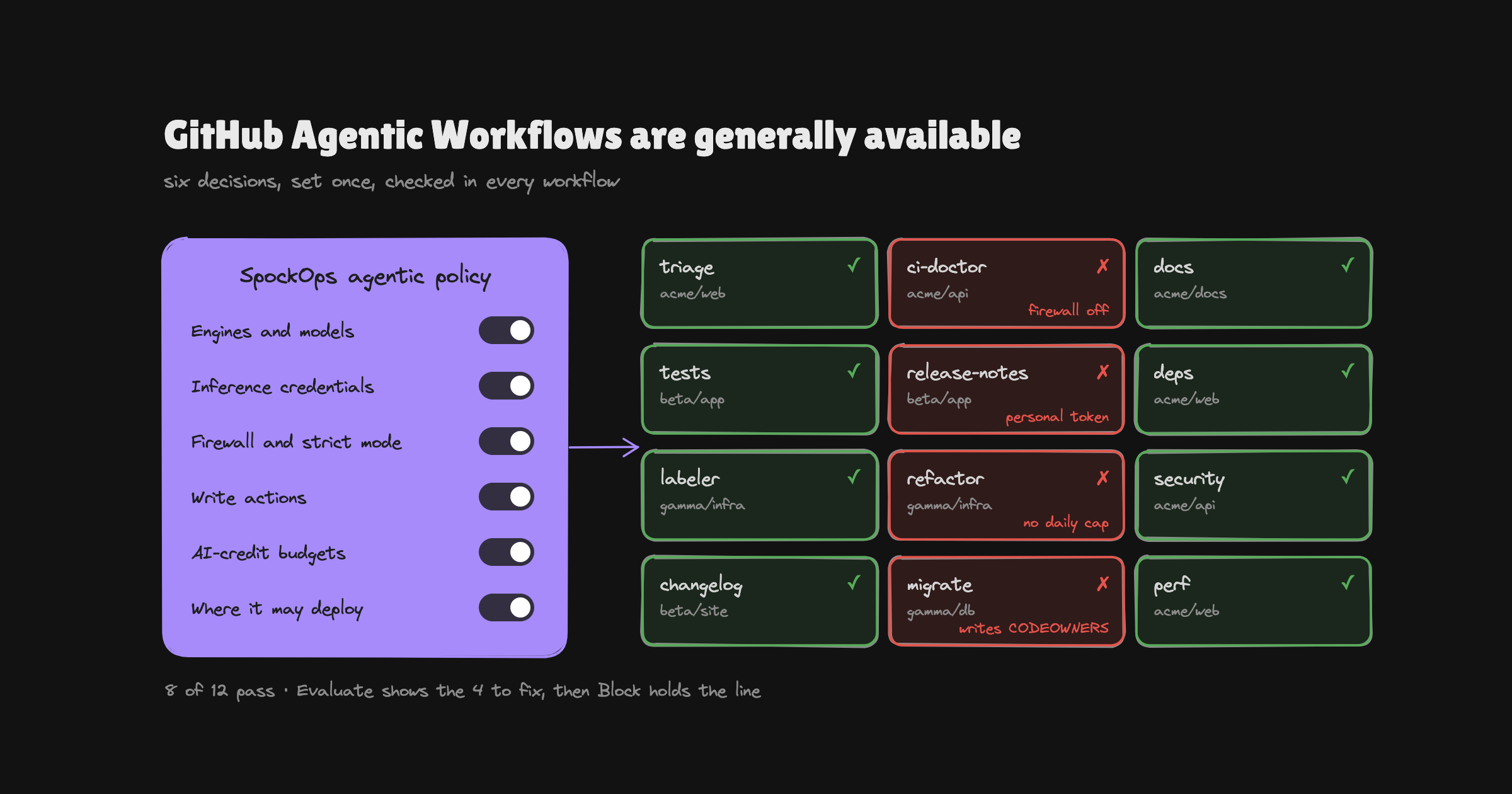
GitHub Agentic Workflows are generally available: six decisions before your teams turn them on
GitHub Agentic Workflows are generally available. The six decisions an enterprise should make first: engines, credentials, isolation, writes, spend and deployments.
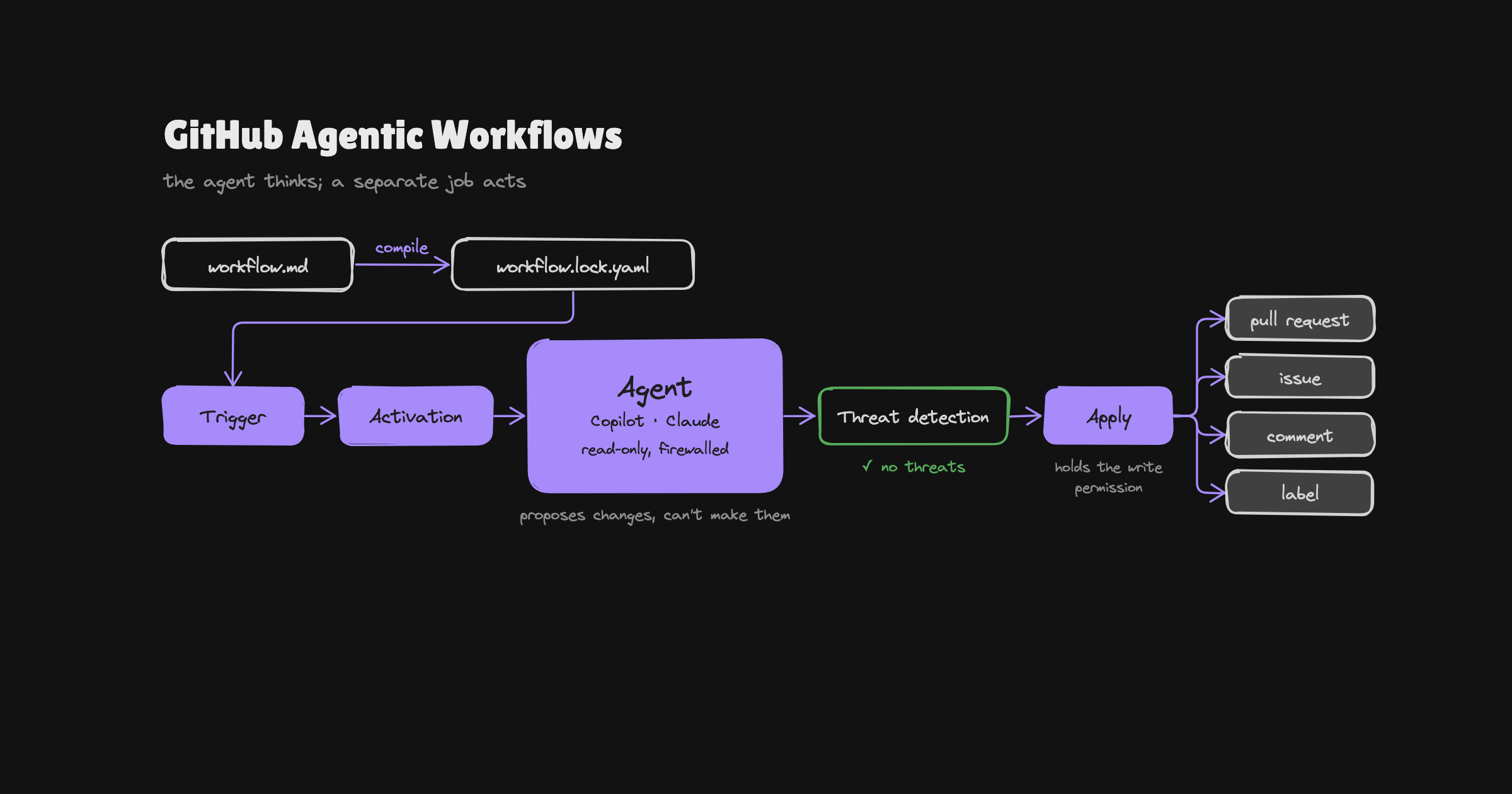
How GitHub Agentic Workflows work
A plain introduction to GitHub Agentic Workflows: how they are written, what happens when one runs, how agents are kept safe, and what they cost to operate.
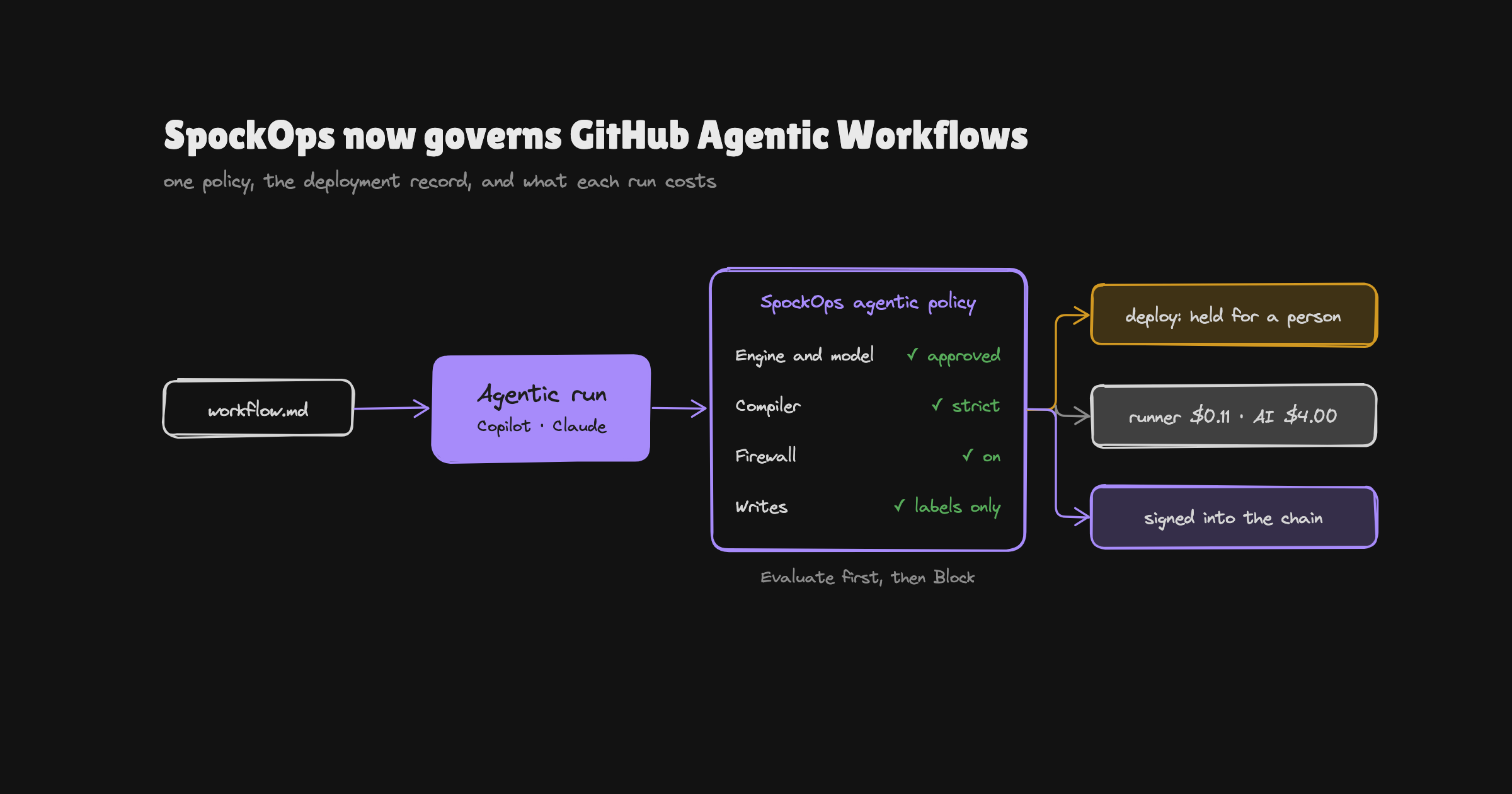
SpockOps now governs GitHub Agentic Workflows
SpockOps now governs GitHub Agentic Workflows. Approve engines, models and credentials, record every agent deployment and see what each run costs.
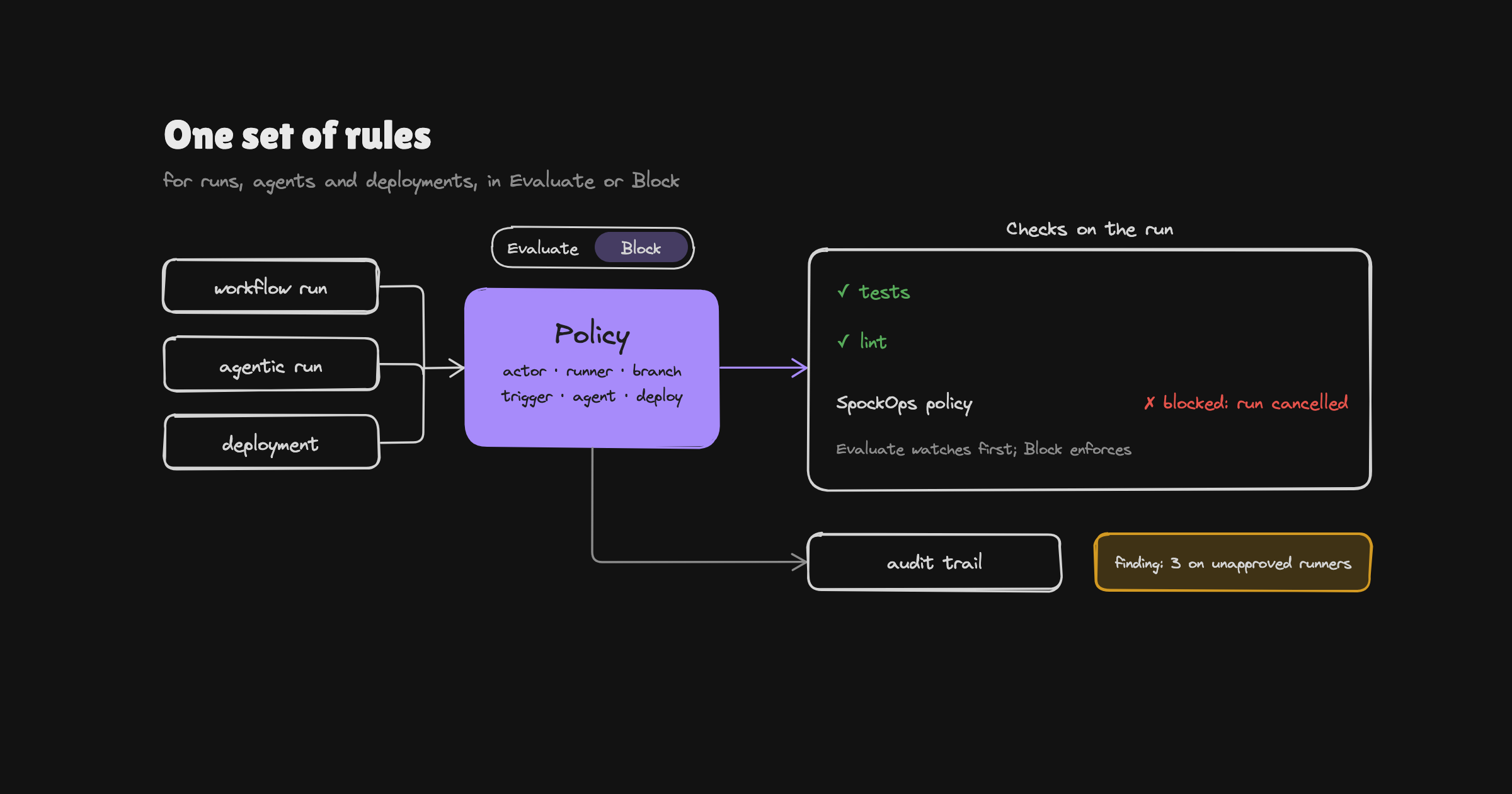
GitHub Actions workflow governance: one set of rules for runs, agents and deployments
Workflow governance for GitHub Actions: one engine for runs, agentic workflows and deployments, in Evaluate or Block, with findings that say what to fix next.
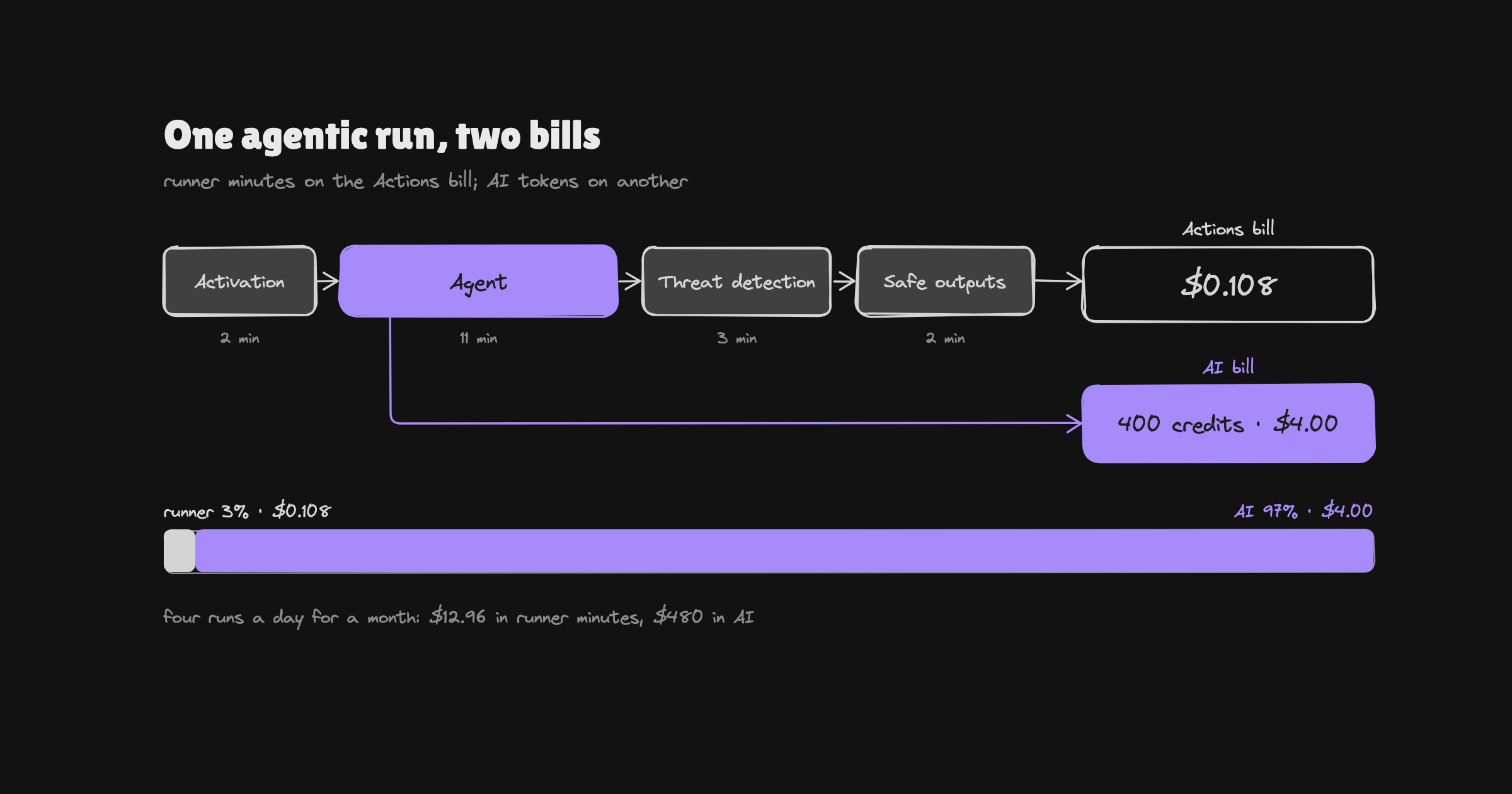
What does an agentic workflow cost? Runner minutes vs. AI tokens
Every GitHub agentic workflow run has two bills: Actions minutes and AI tokens. See a priced example and how SpockOps splits compute from agent cost per run.